Low Taper Fade Fringe: Top 25 Best Hairstyles for Men in 2026
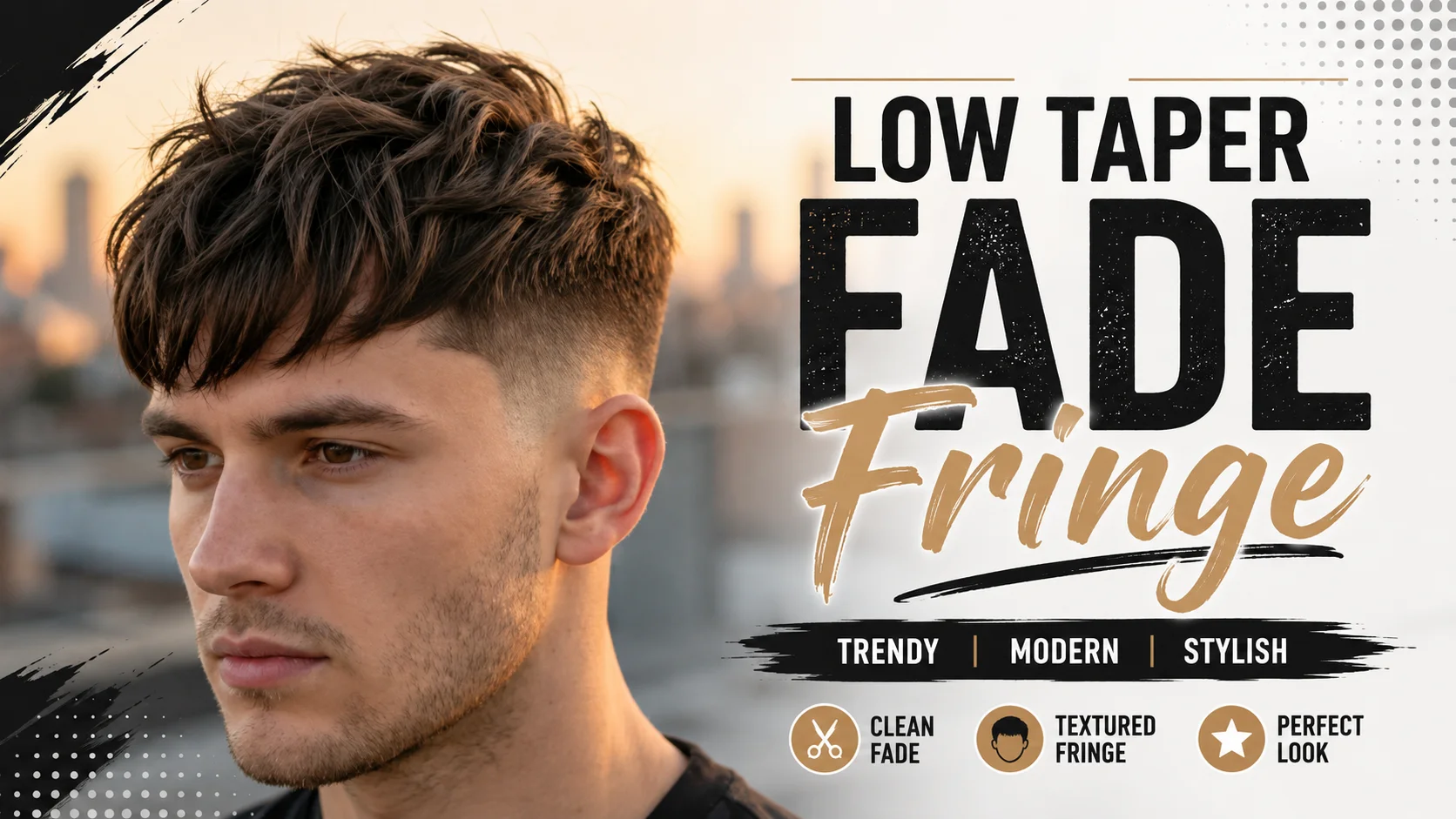
The Low Taper Fade Fringe is one of the most popular haircuts for men today. It combines clean, faded sides near the ears with soft, forward-falling hair on top. This hairstyle offers a balanced look that works for school, work, and casual days.
Unlike slicked-back hair or traditional side parts, a fringe brings the hair forward onto the forehead. This creates a youthful style that highlights facial features while covering the hairline. The low taper fade keeps the sides trimmed without exposing too much scalp.
Men love this haircut because it works with almost every hair type and face shape. You can wear it messy, straight, curly, or textured. In this comprehensive research paper, you will explore 25 trending low taper fade fringe styles, product guides, face shape tips, and easy daily routine steps.
What Is a Low Taper Fade With a Textured Fringe?
A low taper fade with a textured fringe is a clean and modern haircut. The taper starts low around the ears and neckline. The hair gets shorter as it moves down, but the change stays soft and natural.
The top is kept longer than the sides. The front hair, called the fringe, falls toward the forehead. Instead of being cut in one straight line, the fringe has different lengths and layers to create a textured look.
The top usually needs enough length to create texture and movement. For many men, about 2 to 4 inches of hair on top works well. Your barber can choose the right length based on your hair type and the look you want.
If you like a shorter, more structured finish, you can also explore our Low Taper Fade Textured Crop Haircut styles for more ideas. 👉 Low Taper Fade Textured Crop Haircut
What Is a Low Taper Fade?
A low taper fade gently shortens the hair around the bottom of the sideburns and the nape of the neck. Unlike high fades, the haircut leaves plenty of hair length on the upper sides of the head. This creates a smooth and natural blend that grows out cleanly over time.
What Is a Fringe Haircut?
A fringe haircut features hair at the crown and top that falls forward toward or across the forehead. The fringe can be cut straight across, angled, choppy, or swept to one side. It frames the upper face and draws attention to your eyes.
Textured Fringe vs. Regular Fringe
A regular fringe often has a more even and straight shape across the forehead. It can look neat and simple.
A textured fringe has more movement. The ends are cut in a way that gives the hair a messy, natural, and piecey look. This makes the haircut feel more relaxed while the low taper keeps the sides clean.
Why Does a Low Taper Work With a Fringe?
The low taper provides a neat outline that keeps the hair from looking unkempt around the ears. Meanwhile, the long fringe on top adds fullness and movement. Together, the two elements balance weight, volume, and structure seamlessly.
Who Does a Low Taper Fade Textured Fringe Suit?
One reason this haircut is popular is that it can work with many face shapes and hair types. The key is choosing the right length and texture for your features.
Top 25 Best Low Taper Fade Fringe Hairstyles
Classic Low Taper Fade Fringe
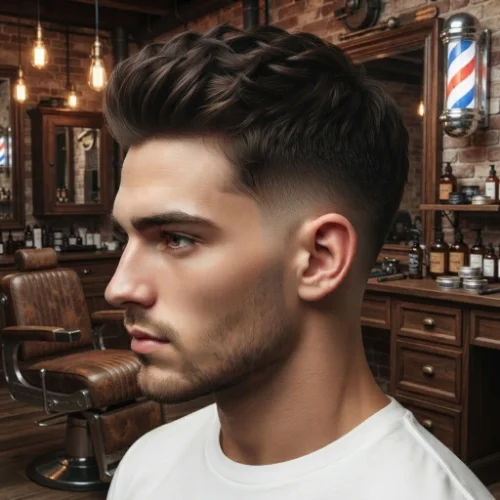
The classic textured fringe is simple, clean, and easy to wear. It keeps the top textured while the low taper gives the sides and neckline a neat finish.
👉 Read more: Low Taper Fade with Curtains
Suitable Hair Type: Straight, wavy, and medium-thick hair.
Styling Tip: Use a small amount of matte clay and shape the fringe with your fingers for a natural finish.
Maintenance: Get the low taper cleaned up every 2 to 4 weeks. Trim the fringe when it starts covering your eyes.
Modern Low Taper Fade Fringe
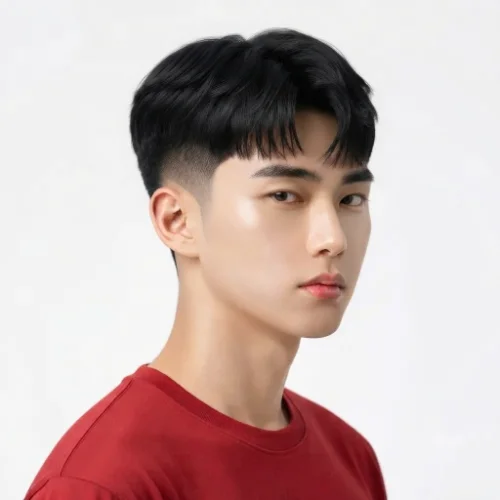
The modern version has a softer taper and natural texture. It is a good choice for men who want a current but easy-to-wear haircut.
For a bolder look with extra length at the back, you can also see our Low Taper Fade Modern Mullet Haircut ideas. 👉 Low Taper Fade Modern Mullet Haircut
Suitable Hair Type: Straight, wavy, and slightly curly hair.
Styling Tip: Use a light matte paste and shape the top with your fingers for a loose finish.
Maintenance: A taper cleanup every 2 to 4 weeks helps keep the haircut fresh. Trim the top every 5 to 7 weeks.
Low Taper Fade Textured Fringe
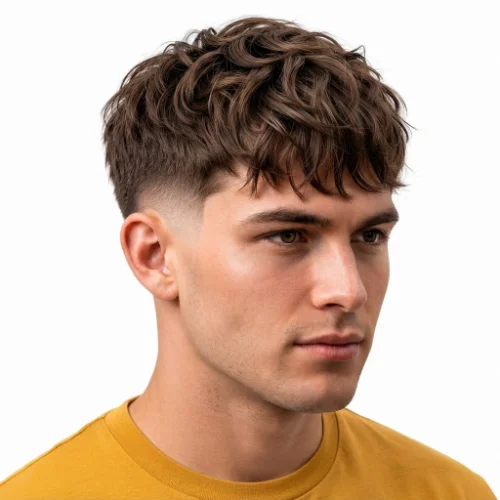
: Choppy layers are cut into the top section to build visual depth and touchable texture. The neat low taper ensures the top remains the main focus.
👉 Read more: Low Taper Fade Edgar Haircut
Styling Tip: Work a pea-sized amount of matte clay through dry hair to separate individual strands.
Suitable Hair Type: Thick or dense hair that needs weight reduction.
Maintenance: Re-texture the top every 4 weeks during routine haircuts.
Low Taper Fade Messy Fringe
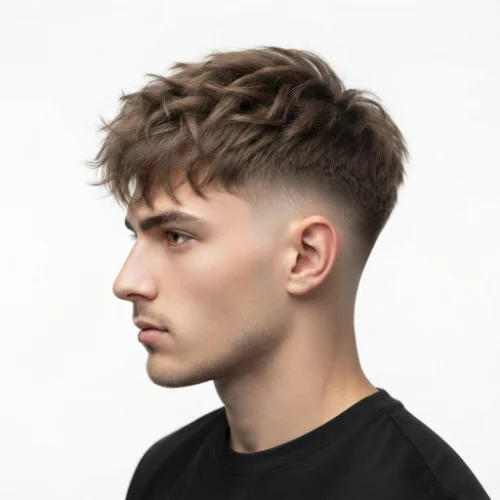
The messy version has more movement and a relaxed finish. It is a good choice if you do not want your haircut to look too perfect. 👉 Read more: Low Taper Fade Fluffy Hair
Suitable Hair Type: Straight, wavy, and thick hair.
Styling Tip: Apply a light matte product and use your fingers to create loose, messy pieces.
Maintenance: Clean up the taper every 3 to 4 weeks. The messy top can grow a little longer between cuts.
Low Taper Fade Short Fringe
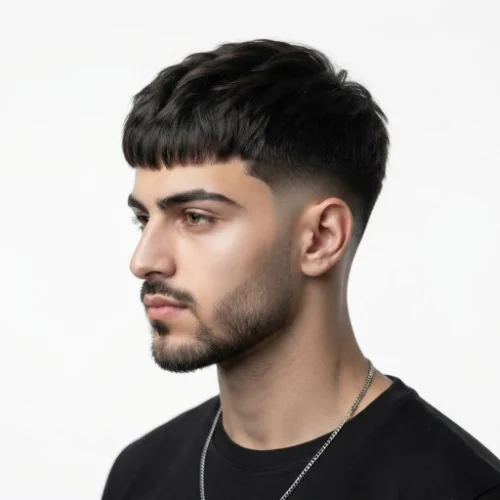
A short fringe is easy to manage and works well for men who want a low-maintenance haircut. The low taper keeps the overall style clean.
👉 Read more: Low Taper Fade with Beard
Suitable Hair Type: Straight, fine, medium, and thick hair.
Styling Tip: Use a light styling cream or matte paste to add a little texture without making the hair heavy.
Maintenance: Keep the taper fresh every 2 to 3 weeks. Trim the short fringe when it loses its shape.
Low Taper Fade Long Fringe
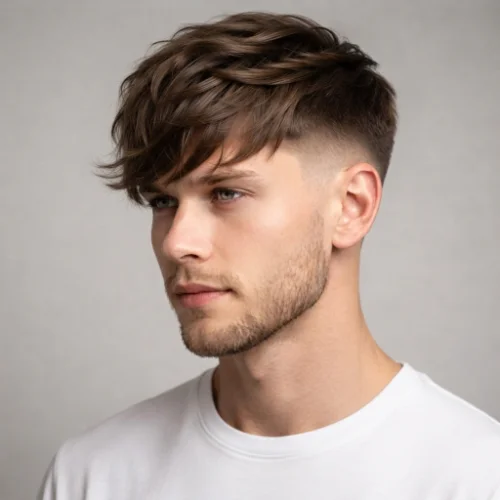
A longer fringe gives you more styling options. You can wear it forward, slightly to the side, or with a messy finish. 👉 Read more: Low Taper Skin Fade Haircuts
Suitable Hair Type: Straight, wavy, and thick hair.
Styling Tip: Blow-dry the fringe forward, then use your fingers to create soft texture and movement.
Maintenance: Trim the fringe every 4 to 6 weeks to control the length. Clean up the taper as needed.
Low Taper Fade Curly Fringe
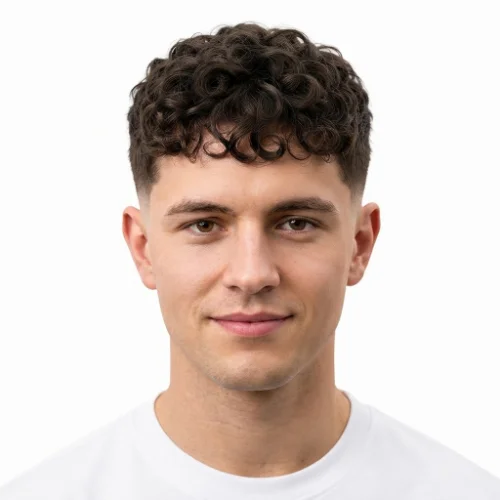
Curly hair creates a fuller and more eye-catching fringe. Keep the curls natural and use a light product to control frizz.
👉 Read more: Low Taper Fade Straight Hair
Suitable Hair Type: Curly and coily hair.
Styling Tip: Apply curl cream to damp hair and shape the curls with your fingers. Avoid brushing the curls when they are dry.
Maintenance: Get the sides and neckline cleaned every 2 to 4 weeks. Trim the curls when they become too heavy.
Low Taper Fade Wavy Fringe
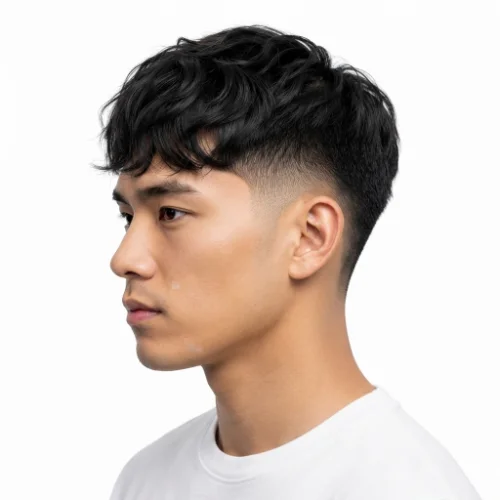
Natural waves add movement to the fringe without needing much styling. A low taper keeps the sides clean while the waves stand out on top.
Suitable Hair Type: Wavy and slightly thick hair.
Styling Tip: Use a light curl cream or leave-in product. Let the hair air-dry for a more natural wave.
Maintenance: Trim the top every 5 to 7 weeks. Clean up the taper every 2 to 4 weeks.
Low Taper Fade Straight Hair Fringe
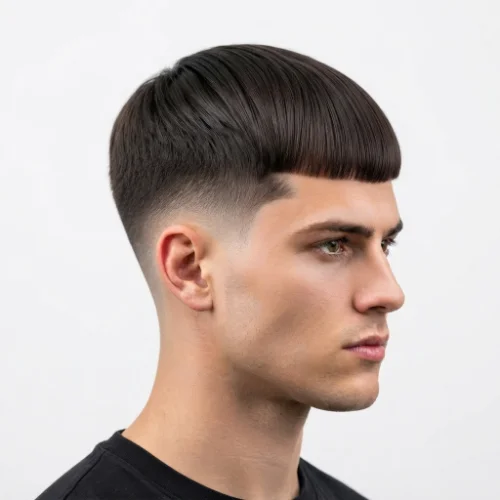
Designed specifically to give pin-straight hair shape and directional movement. Point-cutting techniques add soft texture to prevent a flat look.
Styling Tip: Blow-dry forward on medium heat and finish with lightweight texture powder.
Suitable Hair Type: Fine or coarse straight hair.
Maintenance: Wash every other day to prevent scalp oils from flattening the top.
Low Taper Fade Fluffy Fringe
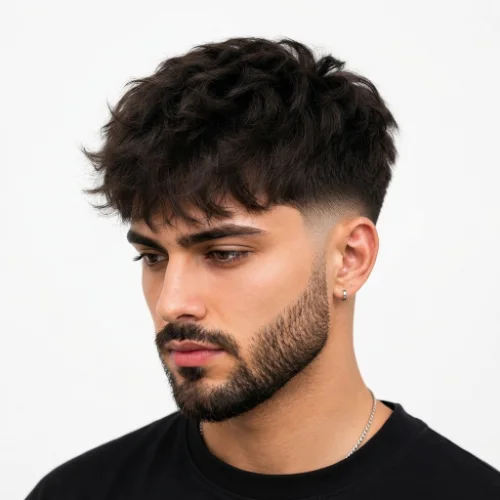
The fluffy version keeps more volume on top. It works especially well with thick or naturally full hair.
Suitable Hair Type: Thick, straight, and wavy hair.
Styling Tip: Blow-dry the top upward and forward. Finish with a light matte product to keep the fluffy shape.
Maintenance: Trim the top every 4 to 6 weeks. Clean the taper every 2 to 3 weeks.
Low Taper Fade Fringe with Spiky Texture
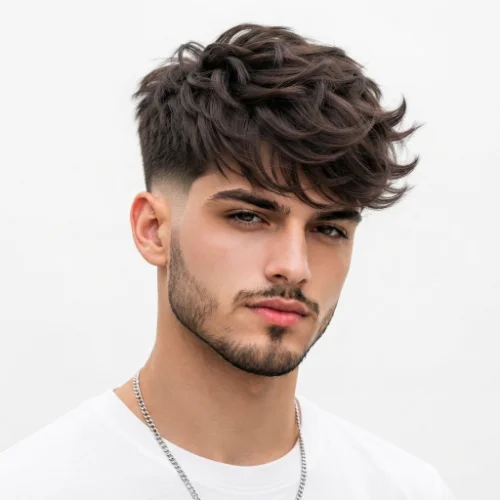
Small spikes add extra texture and a youthful look. Use a matte product so the hair does not look too shiny.
Styling Tip: Rub a firm paste between palms and pull individual strands in alternating directions.
Suitable Hair Type: Short to medium straight hair.
Maintenance: Requires daily styling paste to hold spikes upright.
Low Taper Fade Fringe with Beard
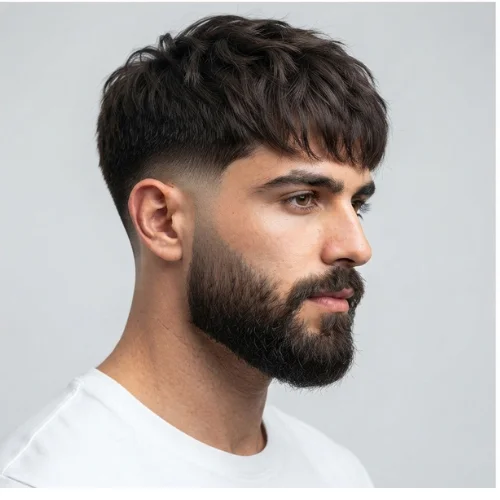
Adding a beard creates a stronger overall look. The clean low taper helps connect the haircut with the beard without making the style look too heavy.
Suitable Hair Type: Straight, wavy, curly, and thick hair.
Styling Tip: Keep the fringe natural and use a light matte product. Match the clean taper with a neat beard line.
Maintenance: Clean up the taper and beard every 2 to 3 weeks for a sharp look.
Low Taper Fade Fringe with Line Up
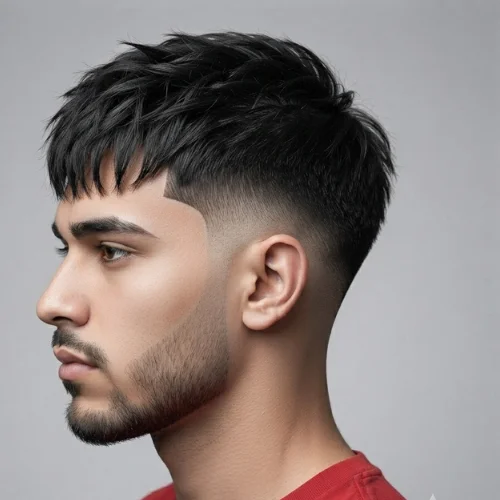
Combines a textured front fringe with crisp, sharp edge-ups along the temples. It delivers a precise contrast between clean lines and messy texture.
👉 Read more: Low Taper Fade with Beard
Styling Tip: Use a light-hold hairspray to lock the sharp temple lines in place.
Suitable Hair Type: Thick, coarse, or straight hair types.
Maintenance: Line-ups require razor touch-ups every 2 weeks.
Low Taper Fade Fringe with Layers
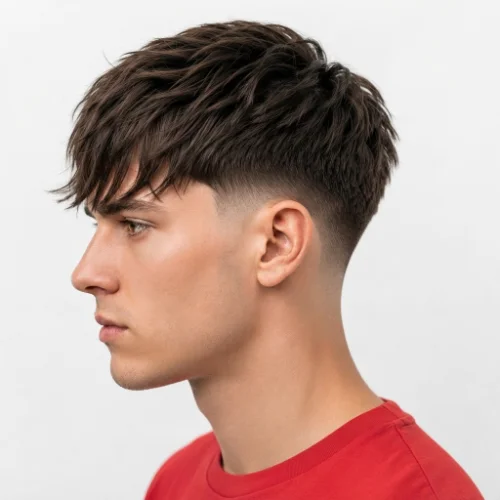
Features internal layers cut throughout the top to remove excess bulk. The fringe falls in light, soft cascades across the forehead.
Styling Tip: Pinch hair tips with styling paste to define individual layered sections.
Suitable Hair Type: Dense, heavy, or thick hair.
Maintenance: Request interior texturizing every month at the barber shop.
Low Taper Fade Blonde Fringe
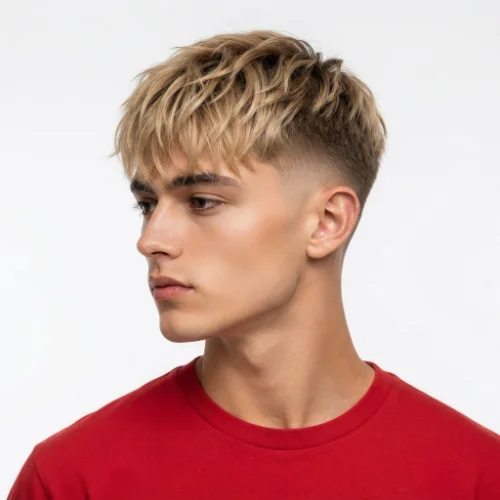
Highlights or full blonde color enhance the visual depth of the fringe layers. Darker natural root tapers make the blonde top pop.
Styling Tip: Use purple shampoo once a week to keep blonde tones bright and brass-free.
Suitable Hair Type: Bleached or naturally light hair.
Maintenance: Deep condition weekly to keep color-treated hair soft.
Low Taper Fade Fringe for Thick Hair
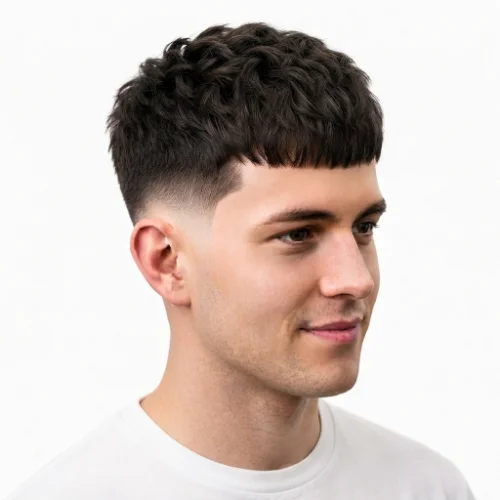
Thick hair gives this haircut plenty of volume. Your barber can add texture and remove some weight so the fringe does not feel too heavy.
Suitable Hair Type: Thick and coarse hair.
Styling Tip: Use a matte clay or light paste. Work the product through the top instead of putting too much on the fringe.
Maintenance: Ask your barber to remove extra weight from the top every 4 to 6 weeks. Keep the taper clean every 2 to 3 weeks.
Side-Swept Textured Fringe
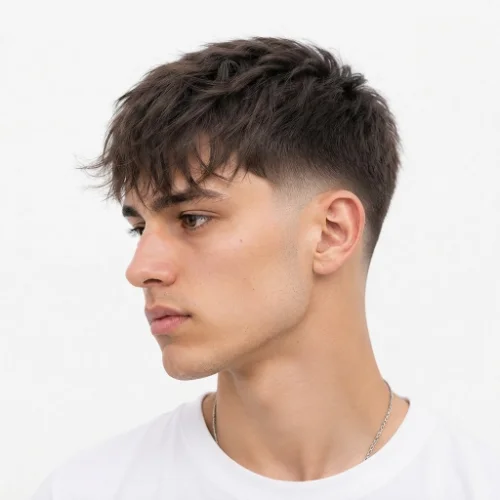
Instead of wearing the fringe straight forward, sweep it slightly to one side. This creates a softer and more natural shape. 👉 Read more: Low Taper Fade Pompadour
Suitable Hair Type: Straight, wavy, and medium-thick hair.
Styling Tip: Blow-dry the fringe to one side and finish with a small amount of light styling cream.
Maintenance: Trim the fringe every 4 to 6 weeks. Keep the low taper fresh every 2 to 4 weeks.
Low Taper Fade Asian Fringe
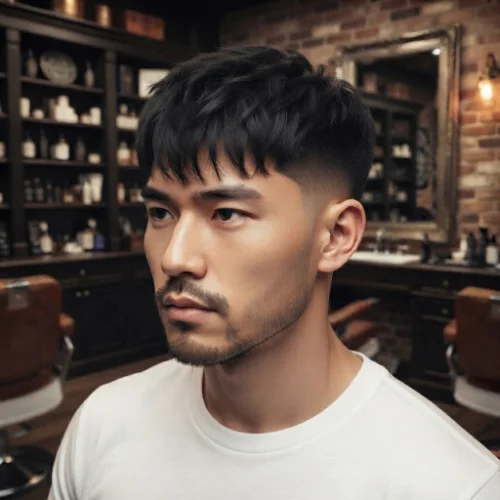
This version combines straight or slightly thick hair with a soft textured fringe. The low taper adds a clean finish around the ears and neck.
Suitable Hair Type: Straight, thick, and medium-texture hair.
Styling Tip: Use a small amount of matte paste and push the fringe forward with your fingers.
Maintenance: A taper cleanup every 2 to 4 weeks keeps the haircut sharp. Trim the top every 5 to 7 weeks.
French Crop With Textured Fringe
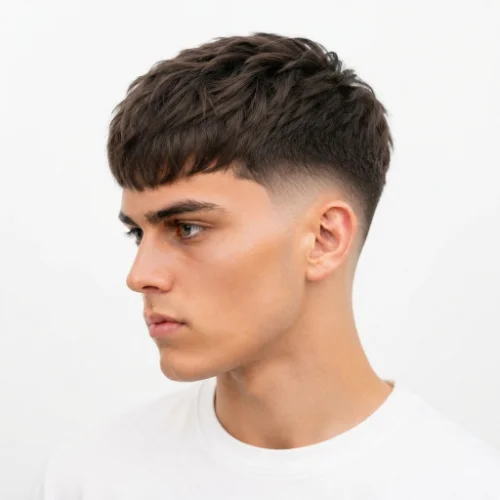
A French crop has a shorter front, while the textured top adds movement. It is a sharp and easy-to-maintain option.
Suitable Hair Type: Straight, wavy, fine, and thick hair.
Styling Tip: Use matte clay to separate the top and keep the short fringe in place.
Maintenance: Trim the fringe and top every 3 to 5 weeks. Clean up the taper between full haircuts.
Choppy Textured Fringe

A choppy fringe has uneven pieces that create a messy and modern finish. It works well when you want more texture around the forehead.
Suitable Hair Type: Straight, wavy, and thick hair.
Styling Tip: Use matte clay and pinch small sections of the fringe to make the choppy pieces stand out.
Maintenance: Trim the fringe every 3 to 5 weeks to keep the uneven texture looking sharp.
Point-Cut Textured Fringe

Point cutting creates soft, separated ends instead of a straight line. This gives the fringe a lighter and more natural appearance.
Suitable Hair Type: Straight, wavy, and fine to medium hair.
Styling Tip: Apply a small amount of texture powder or matte paste to separate the ends.
Maintenance: Trim the fringe every 4 to 6 weeks. Keep the taper clean every few weeks.
Textured Fringe With Middle Part
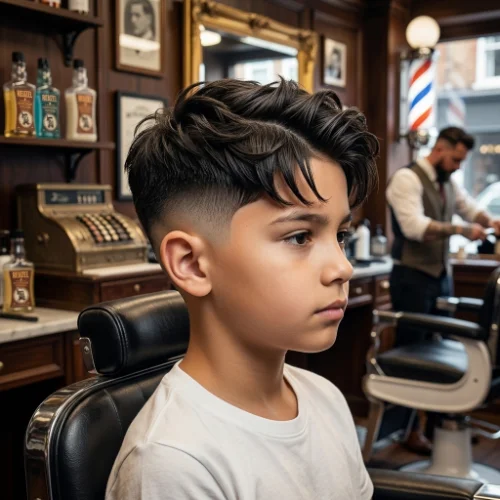
A middle part adds a different shape to the classic fringe. The front can fall slightly to both sides while the low taper keeps the haircut clean.
Suitable Hair Type: Straight and wavy hair with medium to long length on top.
Styling Tip: Create the middle part while the hair is damp, then blow-dry each side away from the center.
Maintenance: Trim the top every 5 to 7 weeks. Clean up the taper every 2 to 4 weeks.
Textured Fringe With Low Taper and Volume
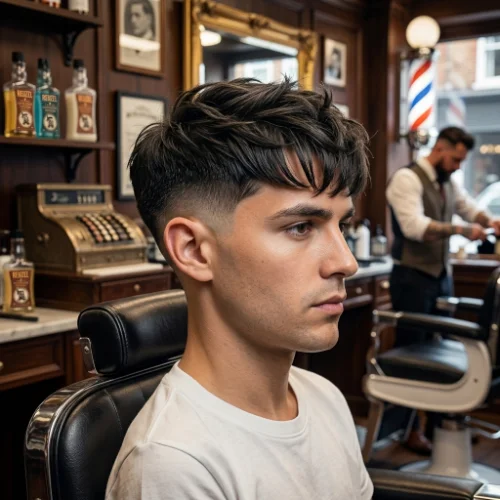
This style keeps extra volume on top while maintaining a low taper around the sides. It is a good choice if you like a fuller hairstyle.
Suitable Hair Type: Thick, wavy, and naturally full hair.
Styling Tip: Blow-dry the roots upward before adding a small amount of matte clay for texture.
Maintenance: Remove extra weight from the top every 4 to 6 weeks. Keep the low taper fresh every 2 to 3 weeks.
Textured Fringe for Fine Hair
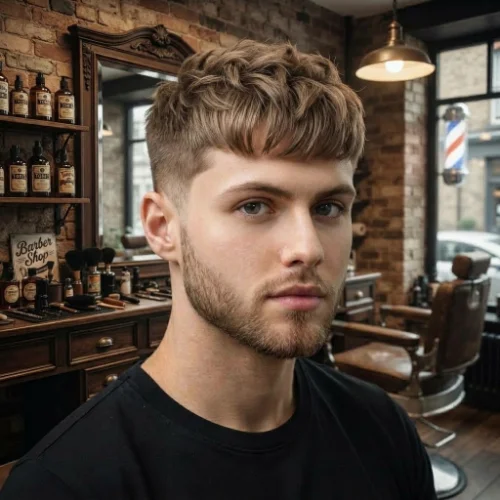
Fine hair can look fuller with the right texture and length. Keep the fringe controlled and use a lightweight matte product instead of a heavy wax.
Suitable Hair Type: Fine and straight to slightly wavy hair.
Styling Tip: Use a small amount of texture powder or lightweight matte paste to add volume without weighing the hair down.
Maintenance: Trim the fringe every 4 to 6 weeks. Avoid over-thinning the top because it can make fine hair look even thinner.
Textured Fringe With Low Taper Mullet
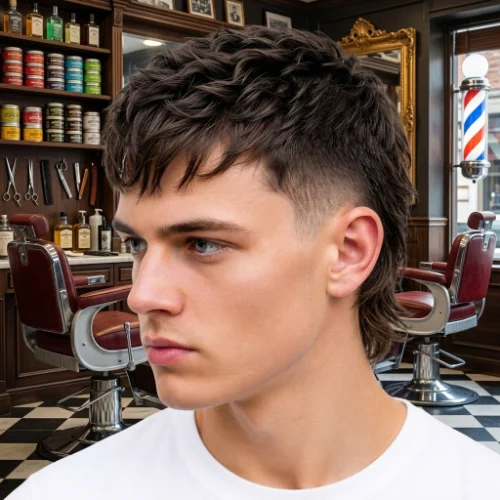
This style combines a textured fringe with a longer back. The low taper keeps the sides and neckline cleaner while the back gives the haircut a bolder look.
Suitable Hair Type: Straight, wavy, and thick hair.
Styling Tip: Add matte paste to the top and fringe. Use your fingers to create texture while keeping the back natural.
Maintenance: Clean up the taper every 2 to 3 weeks. Trim the back and fringe every 4 to 6 weeks to keep the mullet shape.
Best Fringe Lengths for a Low Taper Fade
Choosing the right fringe length changes your facial symmetry and styling options. Different lengths highlight different facial features while requiring varying amounts of care.
Short Fringe
A short fringe sits 1 to 2 inches above the eyebrows. It is very easy to style and keeps hair out of your eyes during sports. This length works great for men with oval or square face shapes.
Medium Fringe
A medium fringe rests directly at or just above the eyebrow line. It provides maximum versatility, allowing you to style it messy, textured, or swept to the side. This is the most requested length in modern barbershops.
Long Fringe
A long fringe extends past the eyebrows toward the bridge of the nose. It delivers a bold, fashion-forward look with high visual impact. Long fringes require regular blow-drying to keep hair sitting correctly.
Best Hair Types for Low Taper Fade Textured Fringe
Straight Hair:
Straight hair makes the textured fringe easy to shape. Use a light styling product to add separation and movement.
Wavy Hair:
Wavy hair can give the fringe a natural textured look. You may need less product because your hair already has movement.
Curly Hair:
Curly hair can create a fuller and more unique fringe. Ask your barber to keep the curls natural instead of cutting the front too short.
Thick Hair:
If you have thick hair, your barber can remove some weight from the top. This helps the fringe sit better and keeps it from looking too heavy.
Fine Hair:
A shorter textured fringe can make fine hair look fuller. Avoid using too much heavy product because it can make the hair look flat.
Best Face Shapes for Low Taper Fade Textured Fringe
Oval Face:
An oval face works well with almost any fringe length. You can try a short, messy, or longer textured fringe.
Round Face:
A textured fringe with some height on top can help make the face look longer. Avoid making the fringe too wide or heavy.
Square Face:
A low taper and textured fringe can work very well with a strong jawline. A messy or choppy fringe gives the haircut a softer look.
Oblong or Long Face:
A fuller fringe can help make a long face look more balanced. Keep some length in the front instead of adding too much height on top.
Heart-Shaped Face:
A soft, textured fringe can balance a wider forehead and narrower chin. A side-swept or messy fringe can be a good choice.
If you prefer more height and volume at the front, check out these Low Taper Fade Quiff Haircut styles for another modern option. 👉 Low Taper Fade Quiff Haircut
How to Ask Your Barber for a Low Taper Fade Textured Fringe
Knowing what to tell your barber can make a big difference. You can say:
“I want a low taper around the ears and neckline. Keep the top longer and textured, with the fringe around eyebrow length. I want a natural, piecey finish instead of a straight, blunt fringe.”
You can also show your barber a photo of the exact style you want. Pictures are often easier than trying to explain every detail.
If you have thick hair, ask your barber to remove some weight from the top. For fine hair, ask for enough texture without taking away too much length.
For curly or wavy hair, tell your barber that you want to keep the natural movement of your hair. This can help the fringe look more natural after the haircut grows out.
How to Style a Low Taper Fade Textured Fringe
Styling this haircut does not have to be hard. Start with clean, slightly damp hair.
Apply a small amount of lightweight styling product.
Blow-dry the top while using your fingers to move the hair forward.
Use your fingers to separate the fringe into small pieces.
Shape the front so it falls naturally toward your forehead.
Add a little more product if you need extra texture or hold.
Avoid using too much product because it can make the fringe look heavy.
For a messy style, use your fingers instead of a comb. This gives the hair a more natural finish.
If you want to move away from a forward fringe and style your hair backward, explore these Low Taper Fade Slick Back hairstyles. 👉 Low Taper Fade Slick Back
Best Products for Low Taper Fade Fringe
The right products give your hair hold and separation without making it look greasy or stiff.
Matte Clay: Provides medium to strong hold with zero shine. Ideal for choppy, textured fringes.
Styling Cream: Light hold and natural finish. Perfect for straight or wavy hair.
Sea Salt Spray: Adds light volume and subtle grit. Excellent pre-styler for fluffy looks.
Texture Powder: Instantly boosts root volume and absorbs oil. Great for fine hair.
Hair Wax: Flexible hold for spiky or piecy fringe styles.
Leave-In Conditioner: Hydrates curly and wavy fringes to prevent daily frizz.
Low Taper Fade Fringe Maintenance
Keeping your cut sharp requires a simple upkeep routine. Proper care preserves hair health and maintains side blending.
Barber Visits: Schedule a taper touch-up every 2 to 3 weeks.
Washing Frequency: Wash hair 2 to 3 times weekly to avoid stripping natural scalp oils.
Conditioning: Always condition after shampooing to keep front strands soft and manageable.
Avoid Product Buildup: Use a clarifying shampoo once every two weeks to remove clay and wax residue.
Heat Protection: Apply a heat spray if you blow-dry daily to protect ends from damage.
Low Taper Fade Fringe vs Textured Fringe
| Feature | Low Taper Fade Fringe | Textured Fringe |
| Side Style | Clean, low tapered fade | Can feature any side cut or scissors trim |
| Front Shape | Forward-falling bang section | Focuses purely on choppy piecey layers |
| Volume | Moderate root lift | High surface separation |
| Maintenance | Medium (requires regular side trims) | Low to medium |
| Overall Look | Neat, modern, balanced | Casual, edgy, unstructured |
Low Taper Fade Fringe vs French Crop
| Feature | Low Taper Fade Fringe | French Crop |
| Front Length | Medium to long (brow length) | Short (well above eyebrows) |
| Fringe Shape | Soft, textured, or swept | Blunt and straight across |
| Side Cut | Low taper at ears and neck | High fade or sharp undercut |
| Styling Time | 3–5 minutes | 1–2 minutes |
| Overall Look | Youthful and versatile | Sharp, athletic, low-maintenance |
Low Taper Fade Fringe vs Curtains
| Feature | Low Taper Fade Fringe | Curtains |
| Hair Direction | Styled straight forward | Split open to the left and right |
| Parting | No visible part line | Center or off-center part |
| Forehead Coverage | Covers most of the forehead | Leaves center forehead exposed |
| Hair Length | 2 to 4 inches on top | 5 to 7 inches on top |
| Overall Appearance | Streetwear, modern, casual | Retro 90s, flowy, soft |
Low Taper Fade Fringe vs Middle Part
| Feature | Low Taper Fade Fringe | Middle Part |
| Direction | Forward toward eyes | Swept sideways from center |
| Part Line | None | Explicit middle line |
| Front Shape | Full, forward weight | Framing curtain strands |
| Best For | Hiding high hairlines | Showing off symmetrical faces |
| Styling Need | Matte clay or powder | Light cream or leave-in spray |
Low vs. Mid vs. High Taper With a Textured Fringe
The taper level changes how strong the haircut looks. A low taper is the most subtle option, while a high taper creates a stronger contrast.
| Taper Type | Where It Starts | Overall Look |
| Low Taper | Around the ears and neckline | Clean and subtle |
| Mid Taper | Higher on the sides | More noticeable |
| High Taper | High on the sides | Bold and sharp |
Low Taper
A low taper is a great choice if you want a clean haircut without taking too much hair from the sides. It keeps the textured fringe as the main focus.
Mid Taper
A mid taper gives you more contrast between the top and sides. It works well if you want the haircut to look sharper and more noticeable.
High Taper
A high taper creates the strongest contrast. It gives the haircut a bold look, but it can take more attention away from the textured fringe.
For a natural and easy-to-wear style, the low taper with textured fringe is usually the best starting point.
Common Low Taper Fade Fringe Mistakes
Avoid these eight styling errors to keep your haircut looking clean:
Taking the Taper Too High: A taper raised too high turns into a mid or high fade, ruining the soft look.
Cutting the Fringe Too Short: Trimming too much front length makes the cut look like a French crop.
Heavy Products: Heavy gels make the fringe look greasy and clumped together.
Ignoring Natural Texture: Fighting your natural curls or waves makes daily styling frustrating.
Overusing High Blow-Dryer Heat: Excessive heat dries out the front ends, causing split frizz.
Skipping Regular Trims: Allowing tapers to grow out past 4 weeks loses the haircut’s shape.
Wrong Length for Face Shape: Choosing a long fringe on a round face can make the face look shorter.
Neglecting Scalp Wash Routine: Product buildup at the roots stops hair from floating naturally.
Final Thought
The low taper fade fringe is a versatile and stylish choice for modern men in 2026. It pairs neat, softly faded sideburns and necklines with textured hair on top. This contrast gives you a fresh look that works in casual and formal settings alike.
Choose the specific fringe length and texture that matches your face shape, daily routine, and hair type. With lightweight products like sea salt spray and matte clay, maintenance takes only minutes a day. Speak with your barber today to customize this top haircut to your personal style.